Teal Banners Watercolor Clipart Graphics & Illustrations
As a digital product creator who has launched dozens of listings on Etsy and Creative Fabrica, I know that the difference between a bestseller and a forgotten listing often comes down to the quality of the underlying graphic design asset. Recently, I decided to test a new collection titled Teal Banners Watercolor Clipart Graphics to see if it could hold up as a core component for a new seasonal print-on-demand line. My goal was simple: determine if these illustrations are robust enough for commercial use, how they translate across different media, and whether they offer the visual hierarchy needed to stop a scrolling customer in their tracks.
First Impressions: Mood and Market Appeal
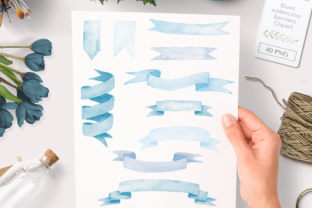
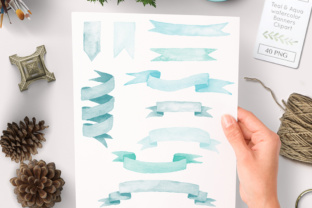
When I first opened the folder containing Teal Banners Watercolor Clipart Graphics, the immediate reaction was one of calm professionalism. The teal color palette is not just a random shade; it strikes a balance between deep ocean tones and lighter, airy aquas. This specific hue range appeals strongly to buyers looking for designs that feel modern yet organic. Unlike the harsh neons or overly saturated colors that can date a product quickly, watercolor textures add a layer of handmade authenticity that resonates with the small business branding sector.
The mood here is distinctly elegant but approachable. It feels less like a rigid corporate template and more like a curated piece of art suitable for a nursery print, a wedding invitation suite, or a high-end planner sticker set. For a digital seller, this versatility is crucial. If an illustration screams "feminine" or "rustic" too loudly, it limits your audience. However, the neutral-leaning nature of these teal banners allows them to fit into a broader niche, making them a safer bet for a diverse portfolio of printable designs and merchandise.
Real-World Application Across Product Categories
To truly evaluate the potential of Teal Banners Watercolor Clipart Graphics, I began mapping out where these assets would perform best in a real online shop scenario. The first category I tested was sublimation designs. Because the watercolor style relies on gradients and soft edges, it translates beautifully onto mugs and tumblers. I imagined placing a banner behind a motivational quote on a ceramic mug; the soft bleed of the paint would wrap around the curve of the mug without creating a jarring hard line, which is a common issue with flat vector graphics.
Next, I considered the Cricut project angle. While watercolors are inherently soft, many sellers look for ways to mimic this look using vinyl or iron-on. These graphics work exceptionally well as a background element for t-shirt designs or tote bag prints. By using the banners as a frame, you can create a focal point for text or other clipart elements. This technique is particularly effective for creating themed bundles, such as a "Summer Retreat" collection or a "Wellness Workshop" kit, where brand consistency is key.
For Canva template sellers, these PNG designs are gold. A clean, transparent background allows users to drag and drop the teal banners over photos or solid colors instantly. Whether the end-user is designing social media graphics for a blog or creating packaging design for a handmade soap business, the ability to layer these illustrations without complex editing skills increases the perceived value of the template significantly.
Enhancing Product Presentation and Mockups
One of the most critical aspects of selling digital downloads is the product mockup. Your thumbnail image needs to convey quality before the customer even clicks. Teal Banners Watercolor Clipart Graphics excel in this area. When used in a mockup preview for a greeting card or a wall art print, the watercolor texture adds depth that makes the product look tangible and premium.
I found that pairing these illustrations with serif fonts or elegant script fonts elevated the overall aesthetic immediately. The contrast between the fluid, organic shapes of the banners and the structured lines of a good typeface creates a strong visual hierarchy. This combination suggests a level of craftsmanship that justifies a higher price point. In a crowded creative marketplace, having assets that naturally enhance your listing images can boost click-through rates by making your products stand out against competitors using generic, flat stock photography.
Critical Considerations and Limitations
While the potential is high, an experienced seller knows that no asset is perfect for every situation. There are specific scenarios where Teal Banners Watercolor Clipart Graphics should be used with caution. The primary concern lies in projects requiring precise cutting lines, such as intricate vinyl decals or detailed die-cut stickers. Because watercolor styles rely on transparency and fading edges, they do not have the hard outlines necessary for a machine like a Silhouette or Cricut to cut cleanly without manual intervention.
If you are planning to sell a sticker design based on these graphics, you must ensure the final output includes a white border or a distinct outline added in post-production. Otherwise, the soft edges might get lost during the weeding process. Additionally, avoid using these illustrations on dark backgrounds without adjusting the opacity or adding a glow effect. The light teal tones can disappear against black or navy blue, reducing the impact of your design. Always test the design on both white and dark backgrounds to verify contrast levels before publishing your listing.
Practical Seller Notes for Commercial Success
Before integrating any new graphic design asset into your workflow, follow these practical steps to ensure a smooth launch:
- Verify File Resolution: Ensure the PNG files are at least 300 DPI for print-on-demand items like t-shirts and posters. Low-resolution images will pixelate when scaled up, ruining the professional look of your merchandise.
- Test Transparency: Open the files in a program like Photoshop or Canva and place them over a checkerboard pattern to confirm the background is truly transparent. Hidden white boxes are a common complaint from customers buying digital downloads.
- Check Licensing: Always confirm the commercial license terms. You need explicit permission to sell finished products created with these assets. Some licenses allow personal use only, while others grant full rights for unlimited commercial sales.
- Organize for Customers: If you are bundling these with other design assets, organize the files clearly. Label folders by size, format (SVG vs. PNG), and usage type so your customers can find exactly what they need without frustration.
- Font Pairing Tests: Experiment with different font styles. Try a bold sans-serif for a modern look or a flowing handwritten font for a softer vibe. Document which combinations work best to share tips with your buyers.
Final Verdict for Digital Entrepreneurs
After testing Teal Banners Watercolor Clipart Graphics across various hypothetical product lines, my conclusion is positive. These illustrations are a versatile addition to any digital product creator's library. They offer a sophisticated look that bridges the gap between playful and professional, making them ideal for everything from social media promos to physical merchandise. However, success depends on understanding their limitations regarding cutting precision and background contrast. By using them strategically in mockups, templates, and print-on-demand designs, you can build a cohesive and attractive product collection that stands out in the competitive world of online selling.