Watercolor Peonies: A Designer's Embroidery Review
As someone who has spent years translating digital Illustrations into tangible thread, I approach every new design asset with a mix of excitement and skepticism. The market is flooded with generic floral patterns, but when I encountered the Watercolor Peonies Clipart, Wedding Clip Art Floral Clip Art Roses Peonies Clipart DIY Elements Wedding Invitation, I paused. The title suggests a versatile collection perfect for wedding invitations, yet my mind immediately shifted to how these soft, painterly shapes would translate into a physical machine embroidery design. Does the delicate watercolor aesthetic survive the rigors of stitching, or does it get lost in a sea of fill stitch? Let’s dive into a practical evaluation of this asset for real-world crafting.
The First Impression: Translating Softness to Thread
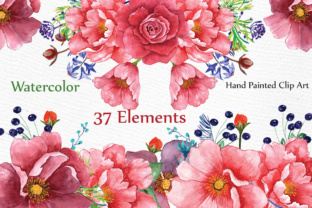
At first glance, the Watercolor Peonies Clipart, Wedding Clip Art Floral Clip Art Roses Peonies Clipart DIY Elements Wedding Invitation exudes a romantic, dreamy vibe. The visual language relies on soft edges and gradient transitions that mimic water-based paint. For an Etsy seller or a boutique owner looking to elevate their brand, this mood is gold. However, the challenge lies in the execution. Watercolor effects are notoriously difficult to replicate in embroidery because thread is solid, not translucent.
When reviewing the layout and detail level, I noticed that the petals have organic, flowing lines rather than rigid geometric shapes. This is excellent for custom apparel where you want a natural, hand-painted look. However, if you attempt to stitch this directly without modification, the result might look muddy if the stitch density is too high. The key to making this design work is understanding that you are not trying to copy the image pixel-for-pixel, but rather capture its spirit using running stitch for outlines and varied thread colors to simulate shading.
A Real-World Test: The Custom Tote Bag Scenario
To truly understand the potential of this embroidery file, imagine a specific project: a premium canvas tote bag for a local bridal shop. The client wants something that feels artisanal, not mass-produced. They need a design that pops against the natural beige fabric but retains that soft, wedding-ready elegance. I loaded the Watercolor Peonies Clipart, Wedding Clip Art Floral Clip Art Roses Peonies Clipart DIY Elements Wedding Invitation into my software and began sizing it up.
For a tote bag, scale is critical. If the peony cluster is too small, the intricate petal details will vanish under the thread. I found that scaling the design to at least 6 inches wide allowed the watercolor gradients to breathe. By selecting pastel pinks, creams, and a touch of sage green, I could mimic the original illustration’s palette. The result was stunning. The finished product looked less like a machine-stitched logo and more like a hand-painted artwork transferred onto fabric. Customers reacting to this handmade product often comment on the "softness" of the design, proving that the right application can bridge the gap between digital art and textile art.
Navigating Fabric Challenges and Hoop Sizes
While the tote bag worked beautifully, not every substrate is created equal. As a professional reviewer, I must advise caution when applying the Watercolor Peonies Clipart, Wedding Clip Art Floral Clip Art Roses Peonies Clipart DIY Elements Wedding Invitation to certain materials. Textured fabrics like heavy linen or thick denim can disrupt the flow of the petals, making the smooth watercolor effect look jagged. Similarly, stretchy fabrics like jersey knit require significant stabilization; without a proper stabilizer, the hoop tension can distort the delicate curves of the roses and peonies.
Another critical factor is the hoop size. If you are working on a baby embroidery project, such as a onesie or a bib, you may be limited by the available space. In these cases, do not shrink the design below a certain threshold. Tiny lettering or minute petal details will simply turn into a blob of thread. Instead, isolate a single flower from the larger arrangement. A singular, bold peony often reads better on a small garment than a crowded bouquet. Always test the design on scrap fabric first to ensure the stitch density isn't overwhelming the material.
Commercial Viability and Brand Consistency
For creative entrepreneurs running a craft business, consistency is key. The Watercolor Peonies Clipart, Wedding Clip Art Floral Clip Art Roses Peonies Clipart DIY Elements Wedding Invitation offers a cohesive theme that can be used across multiple product lines. Imagine matching sweatshirt embroidery with coordinating pillow covers and kitchen towels. This creates a recognizable brand identity that customers trust. When a buyer sees your printable mockup featuring these flowers, they should feel confident that the physical item will match the vision.
However, remember that licensing matters. Before selling commercial embroidery items or digital files based on this clipart, confirm the license terms. Are you allowed to sell the finished goods? Can you use it for personalized gifts for clients? Understanding these boundaries protects your business reputation. Furthermore, consider how the design looks in black and white mockups. Sometimes, the color vibrancy hides flaws in the line work. If the design holds up in grayscale, it will likely translate well to any thread colors you choose.
Practical Designer Notes for Success
- Test First: Never skip the test run on a similar fabric to check for puckering or thread breakage.
- Color Strategy: Use variegated threads or blend multiple shades to achieve the watercolor fade effect.
- Stabilization: Use cutaway stabilizer for knits and tear-away for wovens to maintain the design's integrity.
- Scale Matters: Ensure the embroidered patch or motif is large enough to preserve the artistic details.
- Context Check: Verify that the floral style matches the target audience, whether for holiday embroidery or wedding stationery.
Final Thoughts on Value and Application
The Watercolor Peonies Clipart, Wedding Clip Art Floral Clip Art Roses Peonies Clipart DIY Elements Wedding Invitation is a powerful tool for designers willing to put in the extra effort to adapt it for thread. It is not a "load and go" solution for beginners expecting perfection out of the box, but for experienced makers, it offers immense potential. Whether you are creating a personalized gift for a bride-to-be or stocking your small shop product line with unique home decor, this design adds a layer of sophistication that standard vector art lacks.
By respecting the limitations of the medium and leveraging the strengths of the illustration, you can create custom apparel and home textiles that stand out in a crowded marketplace. The key is to treat the digital file as a starting point, not the final destination. With careful planning, the right design assets, and a keen eye for detail, these watercolor peonies can transform simple fabric into cherished keepsakes.