Watercolor Ferns Clipart: A Designer Review
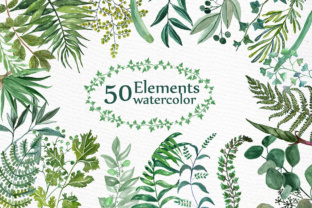
As a designer who spends hours converting digital assets into tangible stitched goods, I approach every new download with a critical eye. The market is flooded with generic patterns, but occasionally, you find something that truly captures a specific mood. That was my first impression of Watercolor Ferns Clipart WATERCOLOR CLIP ART Branches Clipart Greenery Clipart. It immediately evokes a sense of organic calm, reminiscent of a rainy afternoon in a lush garden. However, the transition from a soft, bleeding watercolor illustration to a precise machine embroidery design is where the real work begins. This review breaks down how this specific set of Illustrations performs when moved from the screen to the hoop.
The Mood and Visual Personality of the Design
At first glance, the aesthetic of Watercolor Ferns Clipart WATERCOLOR CLIP ART Branches Clipart Greenery Clipart is undeniably charming. The soft edges and gradient-like color shifts are perfect for creating a handmade product that feels artisanal rather than mass-produced. In the world of custom apparel, there is a growing demand for designs that do not look like rigid, blocky logos. This clip art offers a fluidity that suggests movement and nature. When I visualize it on a finished product, such as a linen tote bag or a cotton pillow cover, the intent is clear: to add a touch of botanical elegance without overwhelming the fabric texture.
However, the challenge lies in the "watercolor" effect. True watercolors rely on transparency and pigment bleeding, which thread cannot naturally replicate. To achieve this look in an embroidery file, the digitizer must use clever layering of fill stitch and perhaps some running stitch to mimic those soft, washed-out edges. If the conversion is done poorly, the result can look muddy or pixelated. My advice is to inspect the preview closely. Does the design maintain its airy feel, or does it become a solid block of green? For a small shop product aiming for a high-end boutique vibe, the distinction between a good digitization and a great one is everything.
Real-World Application: From Screen to Stitch
Let’s talk about a practical scenario. Imagine you are preparing a line of holiday gifts featuring embroidered kitchen towels. You want something fresh and seasonal but not overly festive. Watercolor Ferns Clipart WATERCOLOR CLIP ART Branches Clipart Greenery Clipart fits this brief perfectly. The natural theme works year-round, making it versatile for a craft business looking to expand beyond holiday-specific items. On a tea towel, the fronds of the fern would flow beautifully along the hem, adding a decorative accent that elevates a simple household item into a personalized gift.
Consider also the application on sweatshirt embroidery. Fleece and heavy cotton blends have a distinct nap. A dense, dark design might sink into the fabric, losing definition. The lighter, more open structure of these fern branches allows the underlying fabric to show through slightly, creating depth. This is particularly effective for baby embroidery projects, where softness and gentle visuals are paramount. A onesie or a nursery blanket adorned with these delicate greens feels soothing and appropriate for a child's space. The design avoids the harsh lines often found in traditional geometric patterns, offering a softer alternative that parents love.
For the Etsy seller or digital product sellers creating mockups, this asset is a goldmine. Even before stitching, the visual appeal of the printable mockup can drive sales. Customers browsing your shop want to see how the design translates to their potential purchase. If your design assets look professional in the preview, trust increases. When they receive the finished product, if the stitching matches the promise of the image, you secure a repeat customer.
Navigating Technical Challenges and Limitations
While the potential is high, Watercolor Ferns Clipart WATERCOLOR CLIP ART Branches Clipart Greenery Clipart requires careful handling regarding technical constraints. One major consideration is the hoop size. Watercolor styles often benefit from larger canvases to allow the colors to breathe. Attempting to shrink this design into a tiny 4x4 inch hoop for a cap or a small patch could result in lost detail. The fine tips of the fern leaves might merge together, turning elegant fronds into a blob of thread. Always check the dimensions against your intended project.
Fabric choice is equally critical. On textured fabrics like denim or canvas, the design will stand out well due to contrast. However, on stretchy fabric or thin materials like silk, the stitch density becomes a concern. Too much fill stitch can cause puckering, distorting the soft shape of the ferns. In these cases, using a high-quality stabilizer is non-negotiable. You may need to adjust the tension on your machine to ensure the stitches lay flat and smooth.
Furthermore, consider the background color. Watercolor effects often rely on white or light backgrounds to show the gradient. Placing this design on dark fabric without adjusting the thread colors or adding a backing layer could make the greens appear dull or invisible. You might need to incorporate a satin stitch border or a dense underlay to create a base that makes the lighter shades pop. This is a crucial step for maintaining the visual integrity of the commercial embroidery piece.
Professional Notes for the Embroidery Designer
Before committing this design to a client order or a production run, follow these essential steps. First, always test the design on scrap fabric that matches your final material. This allows you to verify the stitch density and ensure the watercolor illusion holds up under magnification. Second, review the color palette. While the original clip art may have subtle gradients, you are limited by your physical spools of thread. Plan your thread colors carefully to simulate the wash effect without using too many color changes, which can slow down production.
Third, confirm the licensing terms. As a creative entrepreneur, you must know if you can sell the finished product containing this design. Some digital embroidery files have restrictions on commercial use or limits on the number of items sold. Never assume; always read the license agreement. Finally, think about your brand consistency. Does the organic, artistic style of Watercolor Ferns Clipart WATERCOLOR CLIP ART Branches Clipart Greenery Clipart align with your shop's identity? If your brand is bold and industrial, this might clash. But if you specialize in nature-inspired, handcrafted goods, it is a perfect addition to your portfolio.
Final Thoughts on Value and Versatility
In conclusion, Watercolor Ferns Clipart WATERCOLOR CLIP ART Branches Clipart Greenery Clipart is a strong contender for designers looking to add a touch of nature to their work. It excels in projects requiring a soft, artistic touch, such as home decor, baby items, and boutique apparel. By respecting the technical requirements of the medium—choosing the right fabric, stabilizer, and hoop size—you can transform this digital illustration into a stunning embroidered patch or garment decoration. It is not just a pattern; it is a tool for storytelling through thread. With proper execution, it adds significant value to any handmade product, proving that even the most delicate digital art can be robustly brought to life through the craft of embroidery.