Watercolor Roses: A Designer's Embroidery Review
As a designer who has spent years translating digital concepts into tangible thread, I approach every new asset with a critical eye. When I first encountered the Watercolor Roses Clipart White Flowers Clipart White Roses Clipart Wedding Invitation DIY Invites, my initial reaction was one of cautious optimism. The aesthetic is undeniably romantic, leaning heavily into the soft, ethereal vibe that defines modern wedding and nursery decor. However, the transition from a flat digital illustration to a textured, three-dimensional stitched surface is where the real work begins. This review explores whether this specific design holds up under the scrutiny of a professional embroidery machine or if it belongs strictly in the realm of paper goods.
The First Impression: Softness vs. Structure
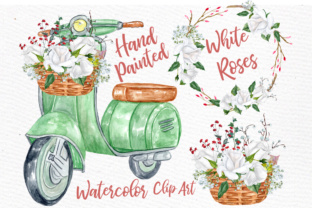
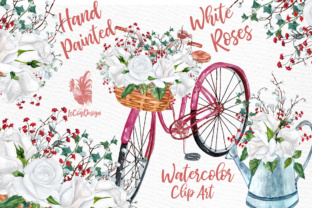
The visual personality of the Watercolor Roses Clipart White Flowers Clipart White Roses Clipart Wedding Invitation DIY Invites is defined by its lack of hard edges. In the world of Illustrations, watercolor effects rely on gradients, transparency, and bleeding colors to create depth. For an embroidery project, this presents an immediate challenge. Machine embroidery thrives on distinct boundaries between colors and clear stitch directions. When viewing the design file, I immediately began mentally mapping how the soft blooms would translate into fill stitch and satin stitch.
The mood created by these white roses is delicate and airy. It screams "boutique" and "heirloom." If you are looking for a bold, graphic statement for a streetwear brand, this is not the asset for you. Instead, it feels perfectly suited for high-end custom apparel, such as a linen tote bag, a silk pillow cover, or a personalized baby blanket. The layout suggests a design that needs breathing room; crowding it with other elements would destroy the very elegance that makes the Watercolor Roses Clipart White Flowers Clipart White Roses Clipart Wedding Invitation DIY Invites appealing in the first place.
Real-World Application: From File to Fabric
Let’s talk about a real-life scenario. Imagine you run a small Etsy shop specializing in bridal accessories. A client orders a custom embroidered sweatshirt for her wedding party, featuring white roses on a heather grey background. You load the machine embroidery design into your software. Here is where the practical judgment comes in. Because the original art is based on watercolor washes, simply digitizing it as a standard fill might result in a muddy look if the stitch density isn't adjusted.
To achieve the desired effect, I would recommend using a combination of techniques. The petals might require a gradient fill technique, layering lighter shades of white and off-white thread over a base color to mimic the translucency of watercolor. Alternatively, using a running stitch along the edges can soften the perimeter, preventing the harsh outline often seen in poorly executed floral designs. For a tote bag design or a kitchen towel, the texture of the fabric plays a crucial role. On a smooth cotton canvas, the white flowers will pop beautifully against a neutral background. However, on a heavy denim or a fuzzy fleece, the fine details of the watercolor style may get lost.
This design also excels in the realm of personalized gifts. Think of a monogrammed apron for a home cook or a decorative patch for a vintage-style jacket. The finished product carries a sense of handcrafted charm, even though it is machine-stitched. Customers buying items like this are paying for the aesthetic value and the perceived effort. If the stitching looks crisp and the design retains its artistic integrity, it significantly boosts the perceived value of your handmade product.
Navigating the Pitfalls: Where Caution Is Needed
Despite its beauty, the Watercolor Roses Clipart White Flowers Clipart White Roses Clipart Wedding Invitation DIY Invites requires careful handling in certain contexts. One major concern is the use of white thread. While elegant, white thread on light fabrics can be invisible without the right contrast or backing. If you attempt this on a white sweatshirt, you must ensure there is enough dimension in the stitching to make the design visible. Using a slightly textured stabilizer or adding a subtle shadow effect with a pale grey thread underneath can solve this issue.
Another area of caution involves small hoop sizes. Watercolor styles often rely on negative space and large, sweeping shapes. Shrinking this design to fit a 4x4 inch hoop might compress the details too much, turning the delicate petals into solid blobs of thread. Always check the minimum recommended size before committing to a project. Similarly, avoid using this design on highly stretchy fabrics like jersey knit unless you have significant experience with stabilization. The movement of the fabric can distort the organic shapes of the roses, ruining the watercolor illusion.
Dark fabrics present another hurdle. Achieving a true white flower on black fabric requires multiple layers of underlay and top stitches to build opacity. Without proper planning, the dark fabric will show through, making the white roses look dirty or gray. In these cases, testing the design on scrap fabric is non-negotiable. Check the thread colors and the stitch density to ensure coverage is sufficient.
Practical Notes for the Professional Maker
If you decide to integrate the Watercolor Roses Clipart White Flowers Clipart White Roses Clipart Wedding Invitation DIY Invites into your business workflow, keep these practical tips in mind:
- Test on Scrap Fabric: Never skip the test run. Stitch the design on the exact fabric and stabilizer you plan to use for the final product. This allows you to adjust tension and density.
- Review Color Contrast: Ensure the white thread stands out against your chosen background. Sometimes, a slight tint of blue or pink in the white thread can add depth and prevent a "flat" look.
- Check Licensing: Before selling any commercial embroidery items or digital products, confirm the licensing terms of the clipart. Some assets are for personal use only, while others allow for limited commercial sales.
- Use Proper Stabilizer: The fluid nature of watercolor designs means they need a stable foundation. A tear-away or cut-away stabilizer, depending on the fabric weight, is essential to maintain the shape of the petals.
- Mockup Your Designs: Create printable mockups to visualize how the design will look on different products. This helps in creating compelling listings for your online shop.
Ultimately, the success of this design lies in the execution. The Watercolor Roses Clipart White Flowers Clipart White Roses Clipart Wedding Invitation DIY Invites offers a beautiful starting point for creative entrepreneurs looking to elevate their craft business. It bridges the gap between traditional illustration and modern textile art. By respecting the nuances of the medium and applying professional digitization techniques, you can transform these digital flowers into stunning, sellable pieces that customers will cherish. Whether it’s a holiday gift, a wedding favor, or a staple item in your boutique inventory, the key is to treat the design with the care it deserves, ensuring that the final stitch count and placement honor the original artistic vision.