Watercolor Floral Clipart for Embroidery
As a designer who has spent years translating digital art into tangible thread, I approach every new asset with a critical eye. When I first opened the file for Watercolor Floral Clipart, my immediate reaction was one of aesthetic appreciation followed by a practical pause. The mood is undeniably soft, romantic, and organic. It captures that dreamy, water-splashed look that is currently trending in home decor and boutique apparel. However, the leap from a flat Illustrations category file to a high-quality machine embroidery design requires careful consideration. This is not just about pretty pictures; it is about how those pictures behave under the tension of a hoop and the friction of a needle.
The First Impression: Mood and Visual Personality
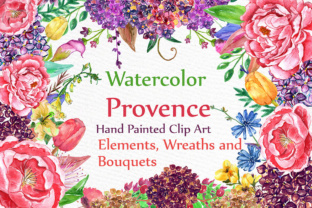
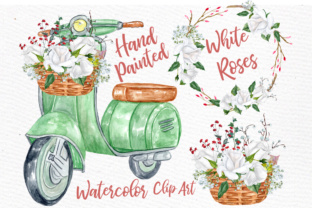
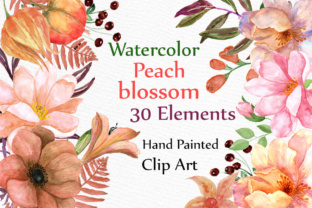
Visually, this collection leans heavily into pastel gradients and soft edges. In a digital format, these elements blend seamlessly to create depth. For an embroidery project, this translates to a need for sophisticated color blending techniques. If you are planning a custom apparel line or creating a personalized gift, the gentle nature of Watercolor Floral Clipart suggests it belongs on items meant to evoke comfort and warmth. Think nursery blankets, linen tea towels, or a delicate patch for a denim jacket. The layout feels airy, which is excellent for negative space, but it demands precision in execution. If the stitch density is too high, the "watercolor" effect will turn into a muddy blob of thread. If it is too low, the design may lose its structural integrity on textured fabrics.
Real-World Application: From File to Fabric
Let's imagine a specific scenario: You are preparing a custom embroidered tote bag for a local craft fair. You want the finished product to stand out among generic prints. Using Watercolor Floral Clipart here could be a game-changer if executed correctly. The floral motifs are large enough to serve as a focal point on a canvas tote, yet detailed enough to add character without overwhelming the surface area. Imagine placing this design on a natural cotton tote; the contrast between the raw fabric texture and the soft, stitched flowers creates a premium, handmade feel that customers love to touch.
Now, consider a different angle: a sweatshirt embroidery project for a small shop product. Here, the challenge shifts. Sweatshirts have a fuzzy pile that can swallow fine details. With Watercolor Floral Clipart, you must ensure the outlines are defined enough to pop against the fleece. A running stitch outline might get lost, whereas a subtle satin stitch border could define the shape beautifully. This is where the distinction between a simple graphic and a true embroidery file becomes vital. The design needs to account for the way thread sits on looped fabric versus woven fabric.
For baby embroidery projects, such as onesies or bibs, the softness of this clipart is perfect. Parents often seek non-threatening, gentle designs for their infants. The rounded petals and flowing lines of Watercolor Floral Clipart fit this demographic perfectly. However, safety and durability are paramount. The stitching must be secure, avoiding long floating threads that could snag on tiny fingers. When converting this digital art, checking the stitch density is crucial to ensure the design lies flat and does not pucker the stretchy fabric of a baby garment.
Navigating Challenges: Where Caution is Needed
While the potential is high, there are specific scenarios where Watercolor Floral Clipart requires extra caution. Small hoop sizes are a primary concern. Watercolor effects rely on gradient transitions, which require space to develop. If you attempt to scale this design down to fit a 4x4 inch hoop for a cap or a small patch, the delicate shading will likely collapse into indistinguishable pixels of thread. The result would be a loss of the very "watercolor" quality that makes the design appealing.
Dark fabrics present another hurdle. The light, airy tones typical of watercolor florals struggle to show up on black or navy backgrounds without significant adjustments. You cannot simply invert the colors. Instead, you might need to introduce a white underlay or use a contrasting background technique to make the thread colors visible. Without this, your finished product will look dull and unfinished. Similarly, on highly textured fabrics like heavy wool or thick canvas, the fine details of the petals might get lost in the weave. In these cases, simplifying the design or increasing the stitch width is necessary.
Curved surfaces, such as baseball caps, also demand attention. The organic, sprawling nature of floral arrangements can distort when mapped onto a curved brim. You must test the design on a mockup to see how the lines warp. If the distortion breaks the flow of the flower, the commercial embroidery value drops significantly. Customers expect a polished look, and warped flowers signal a lack of professional care.
Practical Designer Notes for Success
To truly leverage Watercolor Floral Clipart in your business, follow these practical steps before committing to a full production run:
- Test on Scrap Fabric First: Never skip this step. Stitch the design on the exact fabric you intend to use. Check for puckering, especially if using stretchy materials.
- Review Stitch Density: Look closely at the fill areas. Are they too tight? Too loose? Adjust the settings in your software to mimic the softness of paint without sacrificing stability.
- Check Thread Color Contrast: Ensure the chosen palette stands out against your background material. A pale pink flower on a cream shirt might be invisible to the customer.
- Confirm Hoop Size: Verify that the design fits comfortably within your machine's working area, leaving room for stabilizer trimming.
- Inspect Small Details: Zoom in on the smallest petals. Will they stitch cleanly, or will they break apart? Simplify if necessary.
- Use Proper Stabilizer: A good tear-away or cut-away stabilizer is essential to support the weight of the thread, particularly on lightweight fabrics.
- Verify Licensing: Before selling any handmade product or digital embroidery file, confirm that the license allows for commercial use. Do not assume personal licenses cover Etsy listings or shop merchandise.
Impact on Brand and Customer Trust
Ultimately, the choice to use Watercolor Floral Clipart affects your brand's perception. A well-executed design elevates a simple tote bag into a collectible item. It signals to the customer that you pay attention to detail and understand the nuances of textile art. Conversely, a poorly adapted design can damage your reputation. If a buyer receives a holiday gift or a wedding gift where the embroidery looks messy or distorted, they associate that failure with your entire brand.
For the Etsy seller or the owner of a small shop product line, consistency is key. If you feature this style across multiple items—kitchen towels, pillow covers, and aprons—it creates a cohesive visual identity. This consistency builds trust and encourages repeat business. The soft, artistic vibe of Watercolor Floral Clipart aligns well with the "slow living" and "handmade" movements that drive sales in the craft community today.
In conclusion, Watercolor Floral Clipart is a versatile asset that holds immense potential for creative entrepreneurs. It is not a plug-and-play solution, but rather a starting point for thoughtful design work. By understanding its limitations regarding size, fabric, and color, and by taking the time to test and refine the machine embroidery design, you can transform these digital illustrations into stunning, high-value physical products. Whether you are making a custom apparel piece for a client or stocking shelves for your own boutique, the effort you put into adapting this design will directly reflect in the quality of your finished product.