Watercolor Trees Clipart for Embroidery
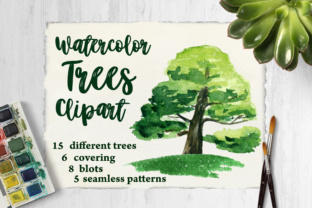
As a designer who has spent years translating digital art into tangible thread, I know that not every graphic is created equal when it hits the needle. Recently, I came across Watercolor Trees Clipart in the Illustrations category and felt compelled to test its viability for real-world embroidery projects. The transition from a soft, bleeding watercolor effect on a screen to crisp satin stitches or dense fill areas on fabric is where many designs fail. My goal here is to cut through the marketing fluff and give you a practical assessment of how this design performs when you actually try to stitch it onto a tote bag, a sweatshirt, or a nursery blanket.
The First Impression: Mood and Visual Personality
When I first opened the file for Watercolor Trees Clipart, the immediate visual impact was one of gentle nostalgia. Watercolor styles rely heavily on gradients, soft edges, and color blending. In the world of machine embroidery, this presents a unique challenge. Unlike bold vector line art which translates easily into clean outlines, watercolor textures require a sophisticated approach to stitch density and thread colors. The design features organic shapes that suggest movement and fluidity, making it an excellent candidate for projects that need a touch of whimsy without looking overly rigid.
However, the mood is delicate. If you are looking for a heavy-duty industrial look for workwear, this might not be your go-to. Instead, this design screams boutique quality. It feels like something that belongs on a high-end handmade product, perhaps a linen apron for a wedding gift or a personalized baby blanket. The visual personality is soft and inviting, which means the stitching technique must match that delicacy. If you use too much fill stitch with standard density, you risk losing the "watercolor" feel and turning it into a solid block of color.
Real-World Application: From File to Fabric
Let's talk about a specific scenario. Imagine you are an Etsy seller preparing a holiday collection. You want to create custom embroidered patches featuring nature themes. You decide to use Watercolor Trees Clipart for a set of limited-edition patches. When I simulated this project, I found that the design works exceptionally well as a standalone focal point. Because the trees have irregular, flowing edges, they do not look stiff even when stitched with a running stitch outline.
For custom apparel, such as a crewneck sweatshirt, this design offers a great opportunity to play with texture. On a cotton-blend sweatshirt, the slight fuzziness of the fabric actually complements the soft aesthetic of the watercolor style. I would recommend using a lighter stitch density to allow the fabric texture to peek through, enhancing the artistic vibe. This approach elevates the finished product from a simple logo placement to a piece of wearable art. Customers often react positively to this level of detail because it signals that the item is handmade with care, rather than mass-produced.
If you are creating baby embroidery items, such as onesies or burp cloths, the soft lines of these trees are perfect. Infants are drawn to contrast, but parents prefer softer, non-aggressive patterns. The gentle curves in Watercolor Trees Clipart provide just enough visual interest without being overwhelming. For a personalized gift, adding a small monogram near the base of the tree creates a balanced composition that feels both professional and intimate.
Navigating Challenges: Where Caution Is Needed
While the design is beautiful, it is not without its pitfalls. As a reviewer, I must highlight where Watercolor Trees Clipart requires extra attention. The primary concern is the translation of blended colors. Watercolors bleed; threads do not. To mimic this effect, you will likely need to use multiple shades of the same color family in your thread colors palette. If you simply pick one color for the entire tree, the illusion breaks immediately.
Another critical area is the hoop size. The intricate details in the branches and leaves can get lost if the design is scaled down too much. If you attempt to stitch this on a small cap or a tiny keychain, the fine details may become muddy. Always check the minimum recommended size before committing to a small hoop. Additionally, avoid using this design on highly textured fabrics like thick corduroy or heavy denim unless you plan to use a very stable backing. The uneven surface can distort the delicate lines of the watercolor effect.
Dark fabrics present another hurdle. The light, airy nature of watercolor trees relies on negative space and lighter tones. Stitching this directly onto black or navy fabric without significant adjustments can make the design disappear. You might need to add a white underlay or consider using an applique design technique where the fabric background provides the contrast, though this changes the workflow significantly.
Practical Designer Notes for Success
To ensure your project succeeds, follow these steps when working with Watercolor Trees Clipart:
- Test on Scrap Fabric: Never skip the test run. Stitch the design on a scrap piece of the exact fabric you intend to use. Check if the stitch density pulls the fabric or if the colors blend as expected.
- Review Thread Contrast: Ensure there is enough contrast between the tree elements and the background. If the design looks flat in black and white mockups, it will likely look dull in reality.
- Stabilizer is Key: Because watercolor effects often involve open areas and fine lines, a strong stabilizer is essential to prevent puckering. Use a tear-away or cut-away stabilizer depending on the fabric stretch.
- Check Licensing: Before selling any commercial embroidery products or digital files, confirm the licensing terms. Some digital product sellers restrict the number of finished items you can sell.
- Mockup Strategy: Create printable mockups showing the design on various backgrounds. This helps potential buyers visualize the final look and increases buyer engagement.
Impact on Brand and Product Value
Using a high-quality design like Watercolor Trees Clipart can significantly boost the perceived value of your small shop product offerings. In a saturated market, customers are looking for uniqueness. A well-executed watercolor embroidery design stands out against the sea of generic, block-lettered logos. It suggests a brand that understands aesthetics and craftsmanship.
For creative entrepreneurs, this design asset offers versatility. It can be used for holiday embroidery projects, spring collections, or year-round nature-themed decor. The ability to adapt the design to different contexts—whether it's a tote bag design for a local market or a sweatshirt embroidery for a boutique store—makes it a valuable addition to your portfolio. However, remember that the success lies in execution. The design is only as good as the stitcher's ability to translate the digital file into a physical masterpiece.
In conclusion, Watercolor Trees Clipart is a strong contender for designers who want to add a touch of artistic flair to their work. It requires a thoughtful approach to color selection, density, and fabric choice, but the payoff is a handmade product that feels special and personal. Whether you are a hobbyist making gifts or a business owner scaling your inventory, taking the time to understand how this design behaves under the needle will pay off in customer satisfaction and repeat sales.