Watercolour Floral Clipart: A Designer Review
As a designer who has spent years translating digital art into tangible thread, I approach every new asset with a critical eye. When I first opened the file for Watercolour Floral Clipart, my immediate reaction was one of cautious optimism. The soft, bleeding edges and pastel gradients typical of this style are visually stunning on a screen, but they present a unique challenge in the world of machine embroidery. My goal today is to walk you through how this specific illustration performs when moved from a pixelated preview to a real-world project, helping you decide if it fits your craft business or personal portfolio.
The First Impression: Mood and Visual Personality
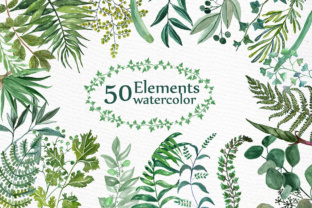
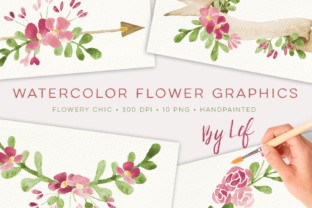
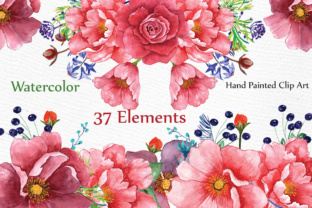
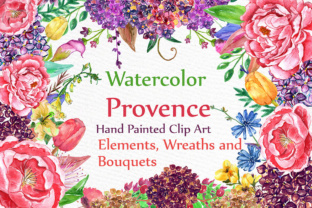
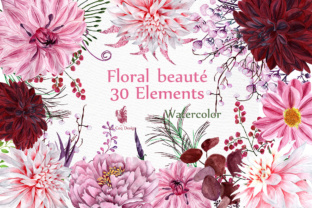
Watercolour Floral Clipart exudes a gentle, organic charm that feels perfectly suited for spring collections or nursery-themed items. Unlike sharp vector line art, these illustrations rely on soft transitions and blended hues. In the context of Illustrations, this style suggests warmth and femininity. However, before I commit to stitching, I need to assess whether the delicate nature of the design will survive the digitization process. The layout feels balanced, with negative space that allows the flowers to breathe, which is crucial for preventing stitch overcrowding. This visual personality screams "handmade," making it an excellent candidate for boutique branding where a polished yet artisanal look is required.
Testing the Design: A Real-World Scenario
To truly understand the potential of this asset, let’s imagine a specific project: creating a custom embroidered tote bag for a local floral shop. The client wants something that looks painted, not printed. If I were to use Watercolour Floral Clipart here, I would immediately think about the fabric texture. Canvas is forgiving, but the weave can disrupt fine details. I would test the design on a scrap piece of cotton canvas first, checking how the fill stitch handles the gradient areas. Would the thread lay flat enough to mimic a watercolor wash, or would it look muddy?
In this scenario, the design works best as a focal point on a large surface area. For a tote bag design, the scale allows for sufficient stitch density to create depth without overwhelming the fabric. However, if I were attempting this same design on a small embroidered patch, the results might be disappointing. The subtle blending of colors could turn into a solid block of thread if the hoop size is too small to accommodate the necessary stitch count for detail. This is a critical consideration for any Etsy seller looking to expand their product line with varied sizes.
Navigating Fabric Challenges and Limitations
While Watercolour Floral Clipart is beautiful, it demands respect for material limitations. Using this design on stretchy fabrics like jersey knit for a sweatshirt embroidery project requires extra caution. The tension needed to hold the intricate fill stitches can cause puckering on thin or elastic materials. I always recommend using a heavy-duty stabilizer and potentially backing the garment with tear-away interfacing to maintain shape.
Furthermore, dark fabrics pose a significant hurdle for this particular style. Watercolor effects often rely on white or light backgrounds to show the transparency of the petals. Stitching this directly onto black denim or navy wool would require extensive underlay stitching to prevent the background color from showing through, which could alter the intended aesthetic. For custom apparel in darker tones, I would suggest limiting the use of this clipart to areas where a satin stitch border can define the shape, or opting for a lighter fabric base entirely.
Enhancing Product Value and Customer Trust
When used correctly, this type of machine embroidery design significantly elevates the perceived value of a finished product. Customers buying personalized gifts or holiday embroidery items are often looking for uniqueness. A well-executed watercolor effect in thread suggests a high level of craftsmanship. It tells the buyer that care was taken in the selection of thread colors and the execution of the pattern.
For small shop owners and digital product sellers, consistency is key. If you feature Watercolour Floral Clipart in your printable mockup previews, ensure the final stitched result matches the expectation. Nothing damages customer trust faster than a product that looks vibrant online but appears dull or blurry in person. By managing expectations through honest photography and clear descriptions of the design assets, you build a reputation for reliability. This design fits perfectly into a brand identity focused on softness, nature, and elegance, appealing to buyers seeking boutique product quality.
Practical Notes for the Embroidery Designer
- Test on Scrap Fabric: Always run a test stitch on the exact fabric you plan to use. Check how the running stitch and fill areas interact with the weave.
- Check Thread Contrast: Ensure the thread colors chosen provide enough contrast against the background to maintain the watercolor illusion without losing definition.
- Review Stitch Density: High density can make the design stiff. Adjust settings to keep the embroidery project flexible, especially for wearable items.
- Confirm Hoop Size: Verify that the design fits comfortably within your hoop without distorting the image at the edges.
- Inspect Small Details: Look closely at the smallest petals or leaves. If they are too tiny, they may stitch out as blobs rather than distinct shapes.
- Use Proper Stabilizer: Do not skimp on stabilization. A good cutaway or tear-away stabilizer is essential for maintaining the integrity of complex fills.
- Check Licensing: Before selling finished items or offering this as a digital embroidery file, confirm the license terms. Ensure you have the right to use it for commercial embroidery projects.
Final Verdict on Commercial Viability
Watercolour Floral Clipart is a versatile asset that can transform a standard item into a premium handmade product. Whether you are creating baby embroidery sets, decorative pillow covers, or craft fair products, the soft aesthetic resonates well with current market trends. However, its success hinges on your ability to adapt the design to the medium. It is not a "set it and forget it" file; it requires thoughtful placement, appropriate fabric selection, and careful digitization adjustments.
If you are a hobbyist looking to add a touch of elegance to your next project, this design is a wonderful choice. For the serious creative entrepreneur, it offers a chance to stand out in a crowded marketplace, provided you respect the technical nuances of turning a fluid illustration into structured thread. By taking the time to test, adjust, and verify, you can ensure that your final creation captures the dreamy essence of the original art while delivering the durability and professionalism your customers expect.